How to Quit Smoking With a Vape: A Step-by-Step Plan
A practical plan for switching from cigarettes to vaping: choosing a device and strength, setting a quit date, handling cravings and using free NHS support.
Overview
Vaping is now one of the most popular and effective ways to stop smoking in the UK. The NHS recommends it, many local stop smoking services offer free starter kits, and millions of people have used it to leave cigarettes behind. But switching works best with a plan. This guide walks you through one step by step.
Quick answer: choose a simple pod kit, start at a strength that satisfies you (usually 20mg nicotine salt for regular smokers), set a quit date, keep your vape with you at all times and get free support from your local stop smoking service. Aim to stop smoking completely, not just cut down.
This is general guidance. Your GP, pharmacist or local stop smoking service can offer personalised advice and treatments.
Why vaping helps
Smoking is hard to quit because of two things: nicotine addiction and habit. A vape tackles both. It delivers nicotine without burning tobacco, so withdrawal symptoms are reduced, and it replaces the hand-to-mouth ritual that many smokers miss. Research reviews have found that people trying to quit with nicotine vapes are more likely to succeed than those using some other nicotine replacement products.
Vaping is not risk-free, but because there is no burning, it exposes you to far fewer harmful chemicals than smoking. For smokers, switching completely is a big step towards better health.
Step 1: choose a simple device
For most smokers, a prefilled pod kit is the easiest place to start. There is nothing to fill or adjust - you just inhale. Draw-activated kits feel closest to a cigarette.
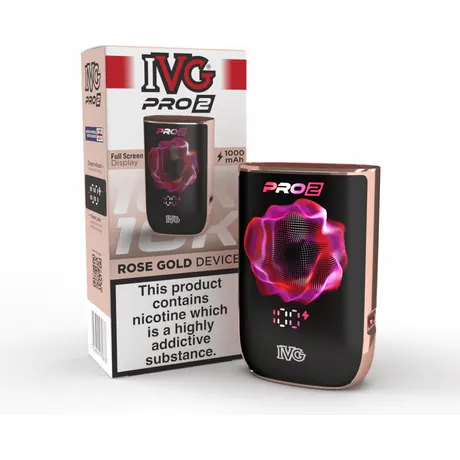
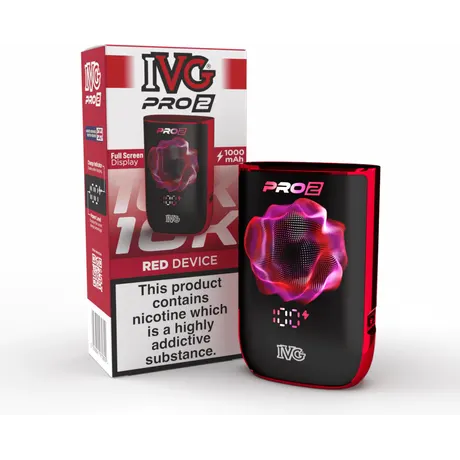
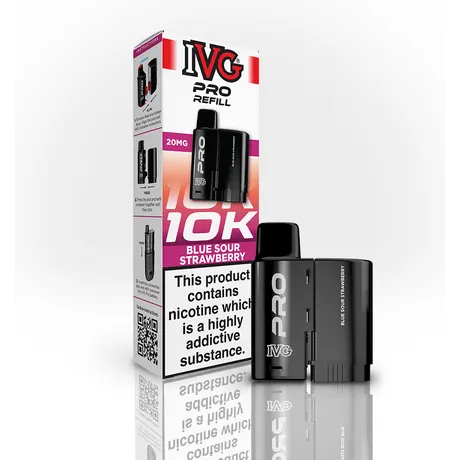
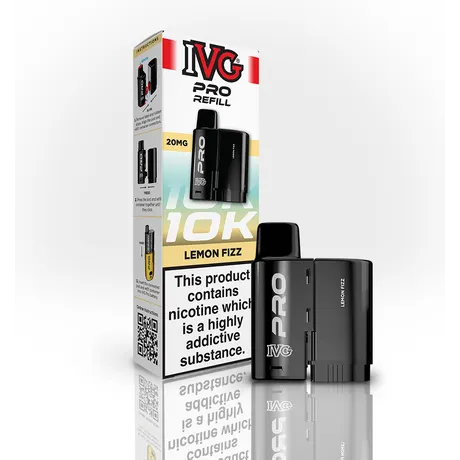
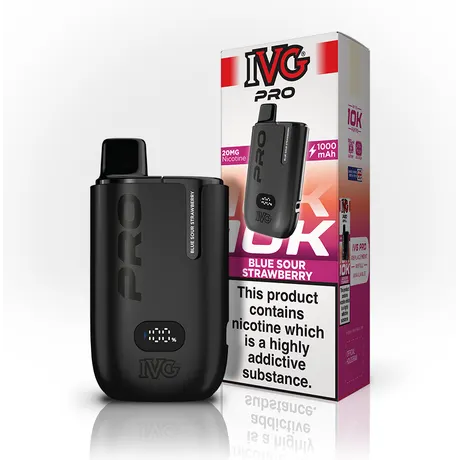
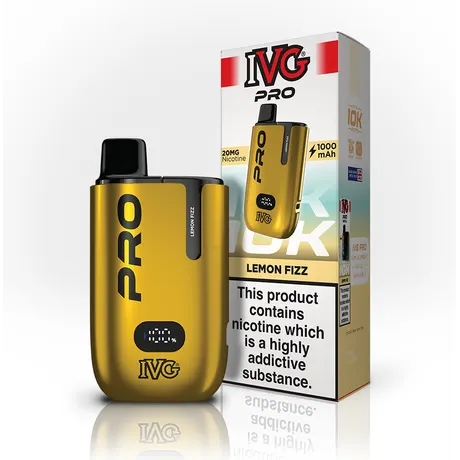
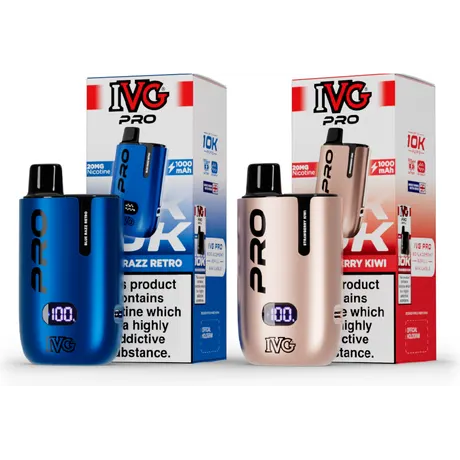
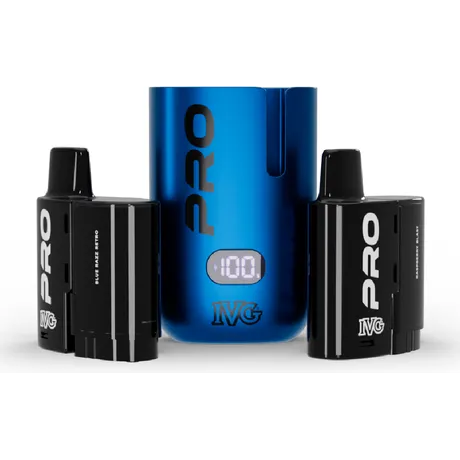
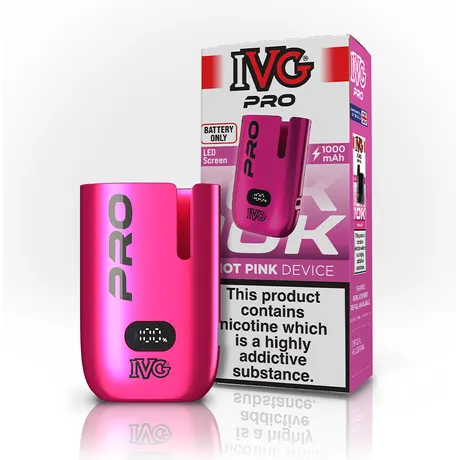
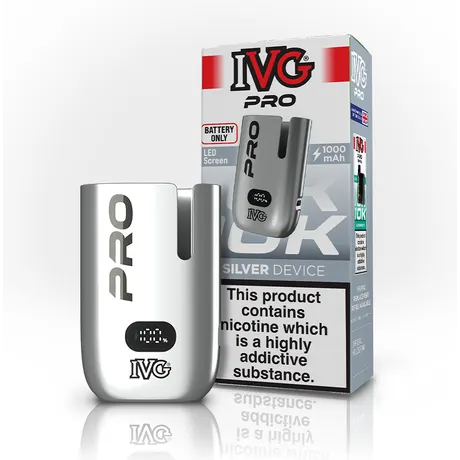
- IVG PRO 10K: long-lasting pods and a familiar draw.
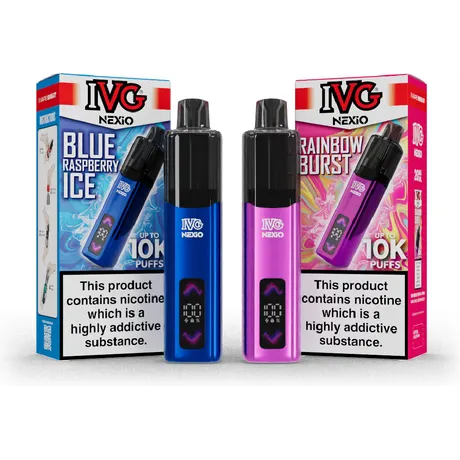
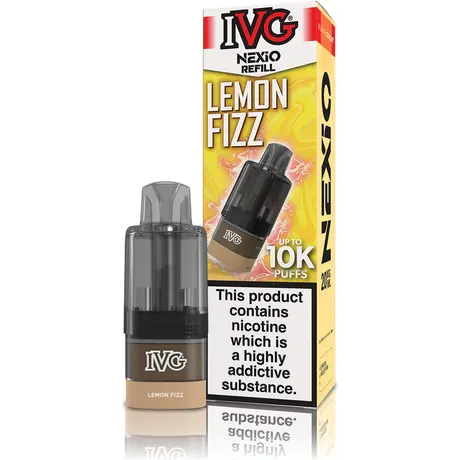
- IVG NEXiO: slim, auto-refilling and pocket-friendly.
- IVG Reload Mini: tiny and inexpensive to try.
If you prefer to refill your own pods, a refillable mouth-to-lung kit with nicotine salts works well too.
Step 2: choose the right strength
Under-dosing is the most common reason people fail to switch. If your vape does not satisfy your cravings, you will reach for a cigarette.
| Cigarettes per day | Starting strength |
|---|---|
| 20 or more | 20mg nicotine salt |
| 10-20 | 20mg or 10mg nicotine salt |
| Fewer than 10 | 10mg nicotine salt |
You can reduce strength later. For now, the goal is to stop smoking.
Step 3: pick flavours you enjoy
Many smokers start with tobacco or menthol flavours because they feel familiar, then move on to fruit or mint. There is no wrong choice - enjoying your vape makes it easier to stick with. Having two flavours to alternate between helps avoid flavour fatigue.
Step 4: set a quit date
Pick a date within the next two weeks. Some people stop smoking completely on that day and use only their vape. Others vape alongside cigarettes for a short period before the date, gradually replacing cigarettes. Either can work, but the end goal must be zero cigarettes.
Step 5: get free support
Local stop smoking services are free and greatly increase your chances of success. They offer behavioural support and can provide nicotine replacement or, in many areas, a free vape starter kit through the national "Swap to Stop" scheme. Search for your local stop smoking service on the NHS website or ask your GP or pharmacist. Prescription stop-smoking medicines are also available and can be discussed with your GP.
Step 6: handle cravings
- Keep your vape charged and with you all the time.
- Carry a spare pod so you never run out.
- Vape whenever you would have smoked - especially at trigger times like after meals or with coffee.
- Expect to vape more often than you smoked at first; this settles down.
- Avoid situations where you used to smoke heavily for the first few weeks if you can.
Common problems and fixes
| Problem | Likely cause | Fix |
|---|---|---|
| Still craving cigarettes | Strength too low | Move up to 20mg salt |
| Feeling dizzy or sick | Strength too high or chain vaping | Drop to 10mg; slow down |
| Burnt taste | Coil not soaked or pod empty | Wait after fitting; replace pod |
| Coughing | Inhaling like a cigarette but too hard | Take slower, gentler draws |
| Dry mouth | PG in the liquid | Drink more water |
Step 7: stay smoke-free
The first month is the hardest. After that, cravings become less frequent and less intense. Many people find that within a few months they barely think about cigarettes. If you slip and smoke, do not give up - treat it as a lesson about a trigger, and go back to vaping straight away.
Step 8: reduce nicotine (optional)
Once you have been smoke-free for a while and feel settled, you can step down your nicotine strength gradually, from 20mg to 10mg and eventually 0mg if you wish. There is no rush - staying smoke-free is what matters most.
Your first week, day by day
Day 1
Charge your kit, fit a pod, and vape whenever you feel the urge to smoke. Do not worry about how often you vape - that is normal at first. Remove ashtrays, lighters and any spare cigarettes from your home and car.
Days 2-3
Cravings are often strongest now. Keep your vape with you at all times, carry a spare pod, and use it before situations you know are triggers. If you feel irritable or restless, it is withdrawal, not failure.
Days 4-5
Many people notice their sense of taste and smell starting to return. Food may taste different. Keep vaping as needed and drink plenty of water.
Days 6-7
Reflect on your triggers. Note when cravings are strongest and plan how to handle them next week. Celebrate one week smoke-free - it is a genuine achievement.
Common triggers and how to handle them
| Trigger | Strategy |
|---|---|
| Morning coffee | Vape with your coffee, or change your routine slightly |
| After meals | Get up from the table, take a short walk, vape outside |
| Alcohol | Drink less in the first weeks; alcohol weakens resolve |
| Stress at work | Take a short break, breathe deeply, use your vape |
| Driving | Keep your vape within reach; use it at red lights only when safe |
| Friends who smoke | Tell them you have stopped; stand apart when they smoke |
| Boredom | Keep hands busy - walk, text a friend, play a game |
Mood, sleep and appetite
Stopping smoking can temporarily affect mood, sleep and appetite.
- Mood: irritability and low mood usually ease within a few weeks. If low mood persists, speak to your GP.
- Sleep: some people sleep worse in the first week, then better than before. Avoid vaping right before bed and cut down on late caffeine.
- Appetite: nicotine suppresses appetite, and food tastes better once you stop smoking. Keep healthy snacks to hand and stay active to manage weight.
Special situations
Pregnancy
Stopping smoking is one of the most important things you can do for your baby. Licensed nicotine replacement is usually recommended first, but if vaping helps you stay smoke-free, it is much safer than smoking. Talk to your midwife or local stop smoking service.
Mental health conditions
Smoking rates are higher among people with mental health conditions, and stopping can improve mood over time. Speak to your doctor before stopping, especially if you take medication, as smoking affects how some medicines are processed.
Living with other smokers
Ask household members not to smoke indoors or around you. If they want to stop too, quitting together can help.
Staying smoke-free for good
- Keep your vape charged and pods stocked for at least the first few months.
- Do not test yourself with "just one cigarette" - it often leads to more.
- Remember the money you are saving and put it towards something you want.
- If you slip, go straight back to vaping and learn from the trigger.
- Once you feel secure, consider reducing nicotine gradually.
What the evidence says
Large reviews of clinical trials, including those collated by the Cochrane Collaboration, have found that nicotine vapes help more people stop smoking than traditional nicotine replacement therapy in comparable conditions. Success is highest when people use a vape that delivers enough nicotine to satisfy them, stop smoking completely rather than cutting down, and have behavioural support. Combining a vape with help from a stop smoking service gives you the best chance.
Choosing between vaping and other options
| Option | Strengths | Things to consider |
|---|---|---|
| Vaping | Replaces nicotine and the hand-to-mouth habit; flavour choice | Not risk-free; not for non-smokers |
| Nicotine patches | Steady background nicotine; simple | Do not help with sudden cravings on their own |
| Gum, lozenges, sprays | Fast relief for cravings | Need frequent use |
| Prescription medicines | Reduce cravings and withdrawal | Need a prescription and medical advice |
| Combination | Patch plus a fast-acting product or vape | Often the most effective approach |
Many people use more than one approach. A patch for background nicotine with a vape for cravings is a common and effective combination.
How to talk to friends and family
Telling people you are stopping smoking can help: it creates support and accountability. Ask friends who smoke not to offer you cigarettes, and ask family to be patient if you are irritable for the first week or two. If someone close to you wants to stop too, quitting together can make it easier.
When smoking slips back in
Most people who successfully stop have at least one slip along the way. If it happens, do not treat it as failure. Ask yourself what triggered it - stress, alcohol, a particular person or place - and plan how to handle that trigger next time. Then go straight back to vaping. The longer you stay smoke-free between slips, the closer you are to stopping for good.
Key takeaways
- Choose a simple pod kit and a strength that genuinely satisfies you.
- Set a quit date and aim to stop smoking completely.
- Keep your vape charged and with you, and plan for triggers.
- Free NHS stop smoking services greatly improve your chances.
- If you slip, go straight back to vaping and learn from the trigger.
The bottom line
A vape gives you nicotine and a familiar ritual without the smoke. Choose a simple kit, use a strength that genuinely satisfies you, set a quit date and get free support. Stop smoking completely, and you will give yourself the best chance of staying smoke-free.
Further reading and support
- NHS Better Health - Quit Smoking: free tools, an app and local service finder.
- Your GP or pharmacist: advice on nicotine replacement and prescription medicines.
- Our nicotine strength guide and our guide to nicotine withdrawal timelines.
Frequently asked questions
Is vaping more effective than nicotine patches?
Clinical reviews have found nicotine vapes help more people stop than traditional nicotine replacement in comparable trials.
Can I use a patch and a vape together?
Yes. Many people combine them for background nicotine plus craving relief.
What if I smoke a cigarette after quitting?
Treat it as a slip, identify the trigger and go straight back to vaping.
How long do cravings last after quitting?
The strongest cravings usually ease within two to four weeks, though occasional cravings can appear for months.
Will I gain weight when I stop smoking?
Some people do, because appetite returns. Healthy snacks and regular activity help.
Is vaping safe during pregnancy?
Licensed nicotine replacement is usually recommended first, but vaping is much safer than smoking. Speak to your midwife.
Does the NHS recommend vaping to quit smoking?
Yes. The NHS describes vaping as substantially less harmful than smoking and an effective quitting aid.
What is Swap to Stop?
A national scheme offering free vape starter kits to smokers through local councils and stop smoking services.
Should I quit cigarettes straight away?
Many people stop on their quit date; others reduce over a short period. The goal is to stop completely.
Which strength should a pack-a-day smoker use?
Usually 20mg nicotine salt in a pod kit.
Is it OK to vape and smoke at the same time?
Only briefly while switching. Most health benefits come from stopping smoking completely.
How long should I keep vaping after I quit smoking?
There is no fixed time. Many people vape for months before stepping down. Staying smoke-free matters most; reduce nicotine only when you feel secure.
Can I get a free vape on the NHS?
In many areas, the Swap to Stop scheme offers free starter kits through local stop smoking services. Contact your local service to check availability.
What is the best flavour for quitting?
Whatever you enjoy. Many people start with tobacco or menthol, then move to fruit or mint flavours once they feel settled.